24 Jul 2026
Tracing Verified Deposit Routes to Multi-Game Bonus Triggers on UK Mobile Platforms
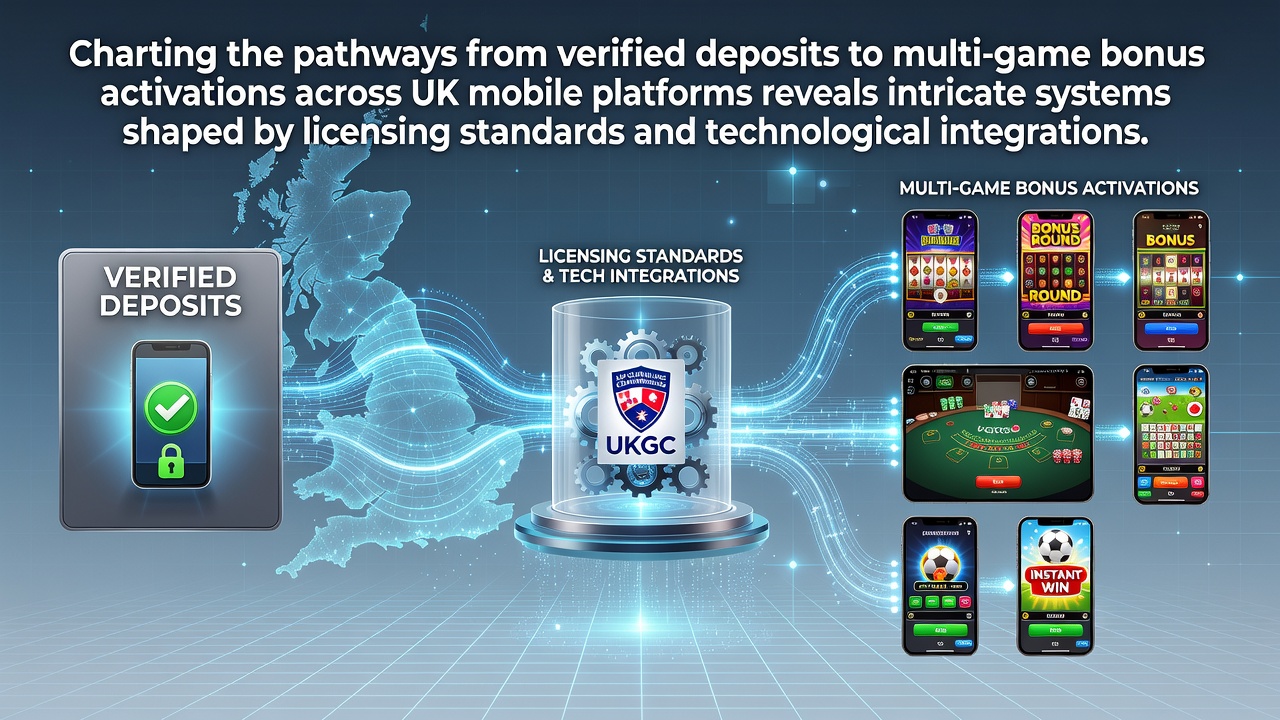
Verified deposits form the foundation for bonus activations across UK mobile platforms, where licensing standards dictate every step from fund confirmation to reward distribution, and technological integrations handle the seamless connections between payment processors and game servers. Operators must align these processes with rules that emphasize security and player verification, which creates pathways that differ significantly from those found in less regulated markets. Data from industry reports shows that these systems often incorporate real-time checks involving bank APIs and digital wallet services to confirm transactions before any bonus code activates.
Core Elements of Deposit Verification in Mobile Environments
Payment gateways on UK mobile platforms rely on layered authentication protocols that cross-reference user details with banking records, and this step occurs within seconds of a deposit attempt. Once funds clear, the system flags eligibility for multi-game bonuses, which might span slots, table games, and live dealer options depending on the operator's licensing terms. Research indicates that integration with third-party identity services reduces processing times while maintaining compliance across different license categories. Observers note that these verifications prevent mismatches between deposited amounts and bonus tiers, ensuring that activations only trigger for qualified transactions.
Technological layers connect mobile apps directly to backend databases, and this setup allows for instant updates on bonus balances as soon as a deposit posts. Multiple game providers feed into the same platform, which means one verified deposit can unlock rewards across titles from various developers without requiring separate actions. Studies from academic sources reveal that such integrations rely on standardized APIs that support both iOS and Android environments equally.
Role of Licensing Standards in Shaping Activation Flows
Licensing frameworks require operators to maintain audit trails for every deposit-to-bonus sequence, and these records must remain accessible for external reviews. The standards influence how bonuses distribute across game categories, with some licenses specifying minimum contribution percentages from slots versus table games. According to reports from the European Gaming and Betting Association, platforms adjust their bonus mechanics to fit these constraints while preserving user experience on smaller screens. Those who manage UK-facing operations often update their systems quarterly to reflect any shifts in licensing expectations.
July 2026 marks a period when several operators plan to roll out enhanced mobile interfaces that further streamline these pathways, incorporating advanced encryption for deposit data. This timeline aligns with broader industry moves toward unified verification tools that multiple platforms can share. The changes aim to reduce friction while upholding the core requirements of licensing bodies across jurisdictions.
Technological Integrations Driving Multi-Game Rewards
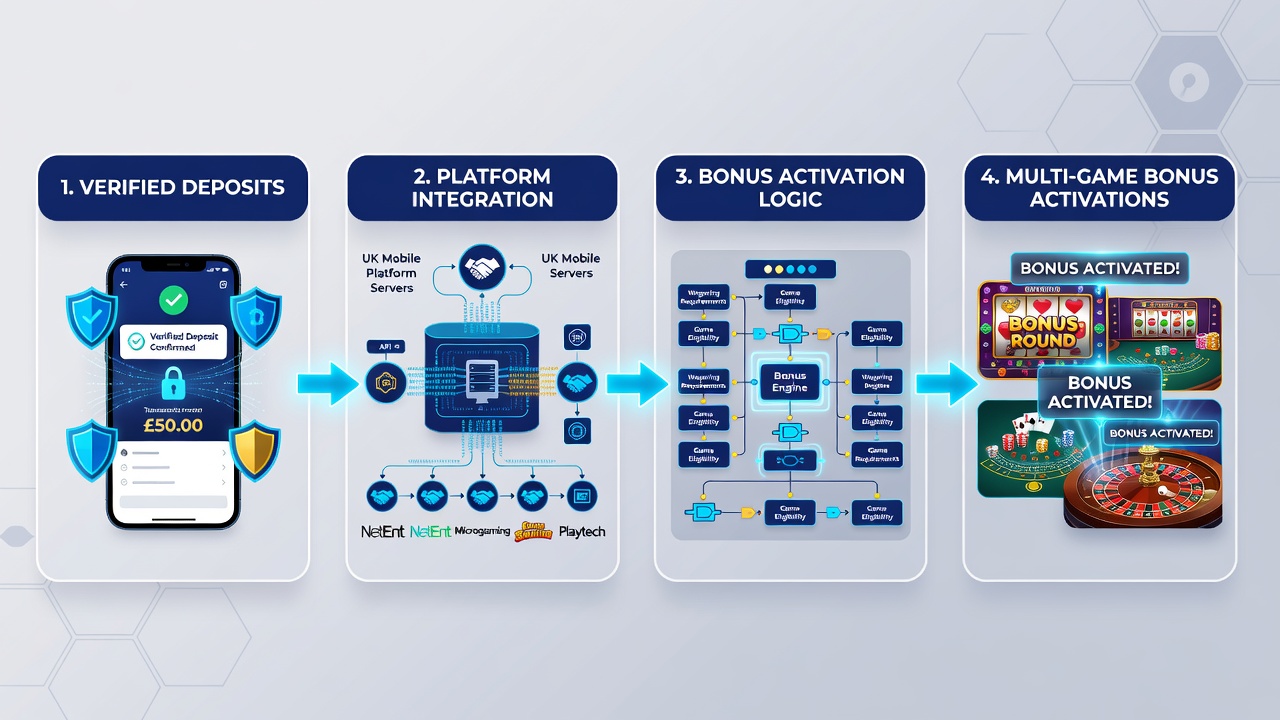
Cloud-based servers handle the heavy lifting of bonus calculations, linking deposit records to game-specific engines that track wagering contributions in real time. Mobile platforms use this architecture to activate bonuses that apply across genres, such as a deposit unlocking both slot spins and roulette credits under one campaign. Experts have observed that partnerships with fintech providers enable faster reconciliation of funds, which in turn supports quicker bonus releases. Data shows these integrations cut down on manual interventions, allowing automated triggers based on predefined rules.
One case involved a platform that linked its deposit processor to an external rewards engine, and this connection allowed users to move seamlessly between games while bonus progress updated centrally. The setup required careful mapping of game identifiers to licensing categories, ensuring that activations stayed within permitted boundaries. Researchers at institutions like the University of Nevada, Las Vegas have documented similar patterns in mobile gambling systems worldwide, highlighting how API standardization supports cross-game functionality.
Practical Examples of Pathway Execution
Take a typical mobile session where a user completes a verified deposit through an e-wallet service, and the platform immediately evaluates the transaction against active bonus rules. The system then distributes credits across selected game types, with tracking software monitoring play to determine further unlocks. Figures from industry analyses reveal that such sequences complete in under 30 seconds on optimized networks, though network latency can extend this in rural areas. Operators test these flows extensively to maintain consistency across devices.
Another example features a sportsbook-crossover bonus where a deposit activates both betting odds and casino credits, and the licensing standards dictate separate tracking pools for each segment. Technological integrations ensure that these pools update independently yet feed into a unified player account view. People who monitor these platforms note the importance of fallback protocols that handle failed verifications without disrupting the overall session.
Conclusion
The pathways from verified deposits to multi-game bonus activations on UK mobile platforms depend on precise alignments between licensing requirements and backend technologies, and these elements work together to create reliable, auditable sequences. As updates approach in July 2026, further refinements to these integrations will likely appear across more operators. External sources such as those from the European Gaming and Betting Association and university-led studies continue to track how these systems evolve while supporting secure mobile experiences.