4 Oct 2026
Tracing Data Pathways in Licensed UK Casino Bonus and Sportsbook Promotion Systems
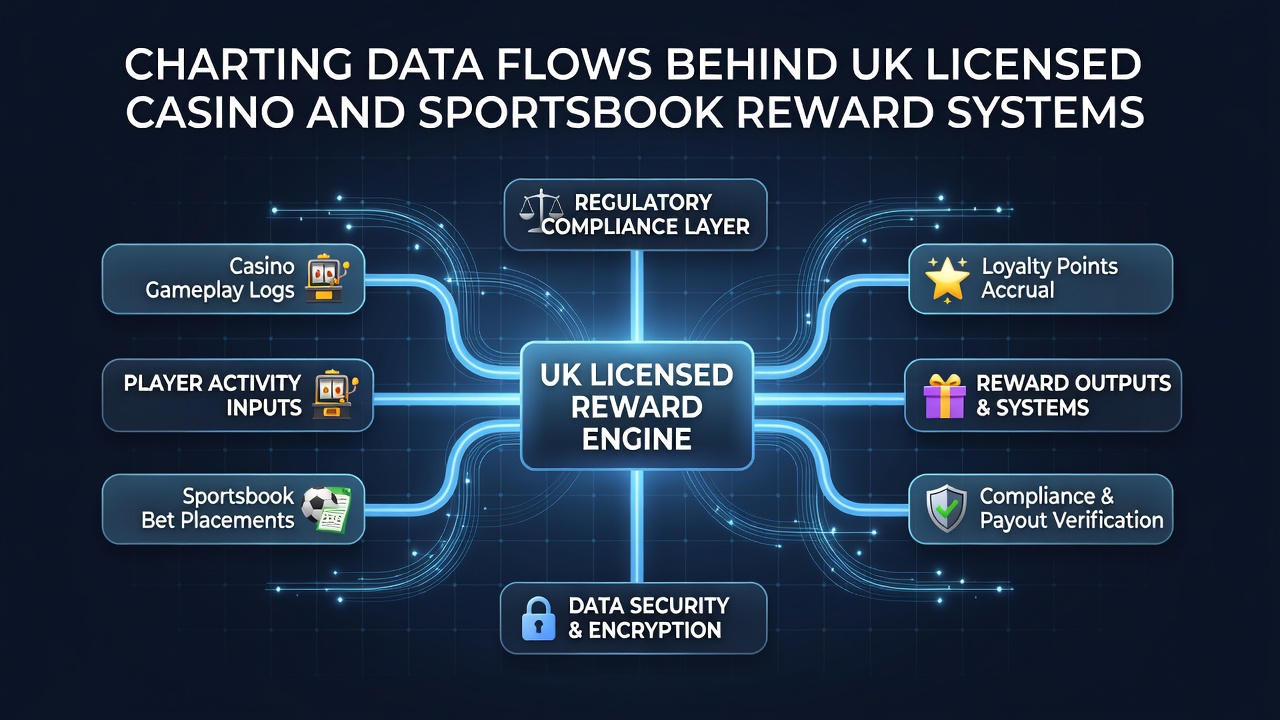 Data moves through multiple layers when UK-licensed operators manage rewards, and each transaction leaves a record that feeds into bonus calculations, loyalty tiers, and promotional offers. Player deposits trigger immediate entries in central databases while wager amounts, game types, and session durations combine to determine eligibility for free spins or matched bets. Systems record these events in real time so that reward engines can apply rules without delay, yet the underlying architecture relies on secure APIs that connect front-end websites to back-office servers handling compliance checks. Operators segment information into categories such as financial data, behavioral metrics, and account status flags. Financial entries capture deposit values, withdrawal requests, and payment method identifiers, whereas behavioral metrics log spin counts, bet sizes, and time spent on specific titles. Account status flags track verification levels and any restrictions that might pause reward accrual. These categories travel along separate streams before they merge at the point where algorithms decide whether a player qualifies for the next tier of a loyalty scheme or an instant sports bonus.
Entry Points and Initial Processing
Registration forms collect core identifiers that later anchor all reward activity, and operators route this information through encrypted channels to identity verification services. Once confirmed, the same records link to deposit processors so that every incoming transaction carries a unique player tag. Sportsbook platforms add another layer by tagging live odds selections and accumulator bets, allowing reward systems to distinguish between casino volume and sports turnover when calculating contribution percentages toward wagering requirements.
Payment gateways forward confirmation messages within seconds, and these messages carry timestamps that reward engines use to apply time-limited offers accurately. Data validation routines check for duplicate entries or mismatched amounts before any bonus credit appears in the player ledger. Operators maintain audit logs that record each validation step, creating a chain that external auditors can review during periodic assessments.
Integration with Loyalty and Bonus Engines
Reward engines pull from multiple tables simultaneously, combining recent activity with historical patterns to assign points or unlock levels. Casino games report results through game servers that push outcome codes back to the central system, while sportsbook feeds deliver settlement data after events conclude. The combined dataset determines whether a player meets criteria for cashback, reload bonuses, or enhanced odds on upcoming fixtures.
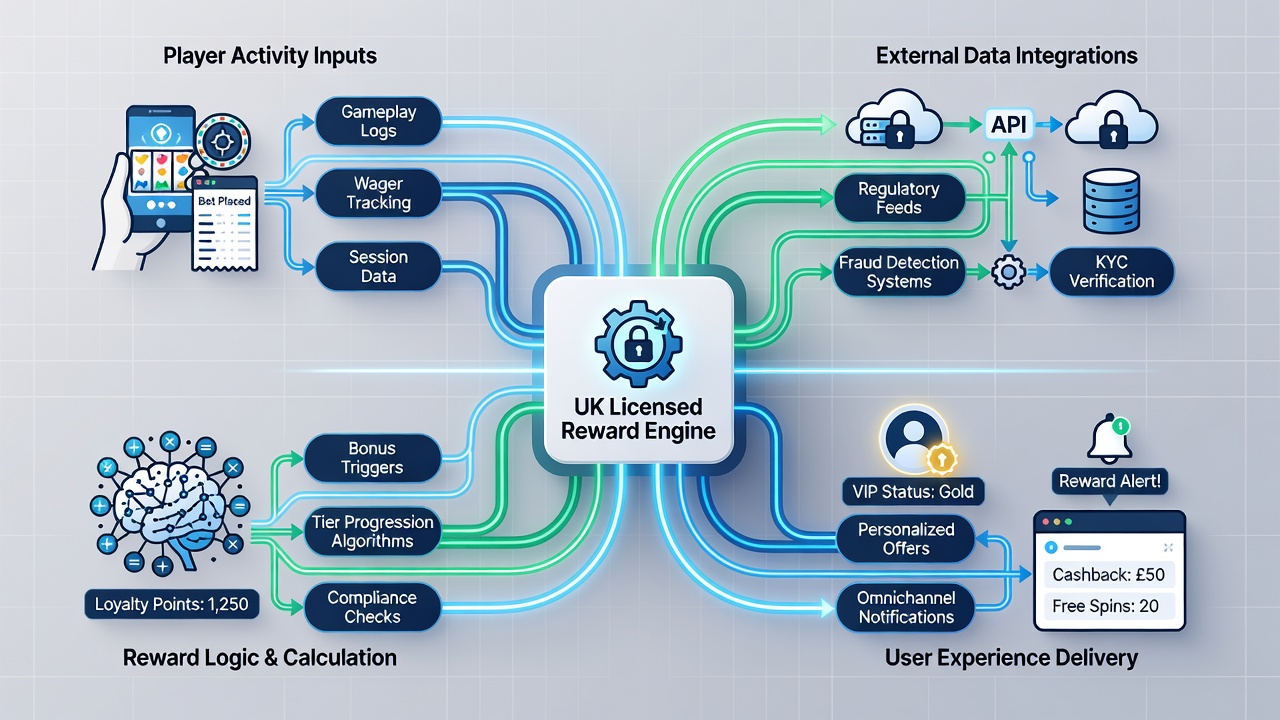
Segmentation rules divide players into groups based on lifetime value and frequency metrics, and these groups receive tailored communications that reference specific reward balances. Systems update group assignments nightly, pulling fresh figures from the main data warehouse. Marketing teams access aggregated views that exclude personal identifiers, allowing campaign planning without direct exposure to individual records.
Security Layers and Cross-Platform Sharing
Encryption protocols protect data in transit between casino platforms and sportsbook modules, while access controls limit which staff members can view raw player files. Multi-factor authentication gates entry to administrative dashboards that display reward balances and pending promotions. When operators run multi-brand portfolios, data flows through centralized hubs that reconcile balances across different front-end domains yet keep brand-specific ledgers separate for reporting purposes.
Industry reports compiled by the European Gaming and Betting Association highlight how standardized data formats improve interoperability between payment providers and gaming suppliers. Observers note that consistent tagging of wager types reduces errors when operators calculate contribution rates across slots, table games, and sports markets. One study released by the Canadian Centre on Substance Use and Addiction examined similar reward architectures and found that clear data lineage improves dispute resolution times for players querying bonus adjustments.
Reporting Cycles and External Oversight
Monthly reconciliation processes compare internal reward ledgers against transaction records from payment processors, and discrepancies trigger manual reviews before statements finalize. Operators export summary files to regulatory bodies in various jurisdictions, though each region specifies its own format and frequency. These exports include totals for bonus issued, wagering completed, and funds returned to players, all stripped of personal details.
October 2026 marks the scheduled rollout of updated data exchange protocols among several European oversight bodies, requiring operators to adopt enhanced tagging for cross-border player activity. Systems already in development map existing fields to the new schema so that reward calculations remain uninterrupted during the transition. Testing phases scheduled for earlier quarters allow technical teams to verify that loyalty points and sports promotions continue to post correctly under the revised structure.
Conclusion
Accurate mapping of these data flows supports both operational efficiency and player transparency across UK-licensed environments. Every deposit, wager, and settlement passes through defined checkpoints that feed reward engines while maintaining compliance records. As platforms evolve, the same pathways accommodate new promotion types and regulatory reporting demands without requiring complete system overhauls. Continued refinement of these streams ensures that bonus allocation remains consistent even as transaction volumes grow and product ranges expand.