10 Jun 2026
Regulatory Constraints Shaping Reward Mechanisms in Mobile Betting Applications
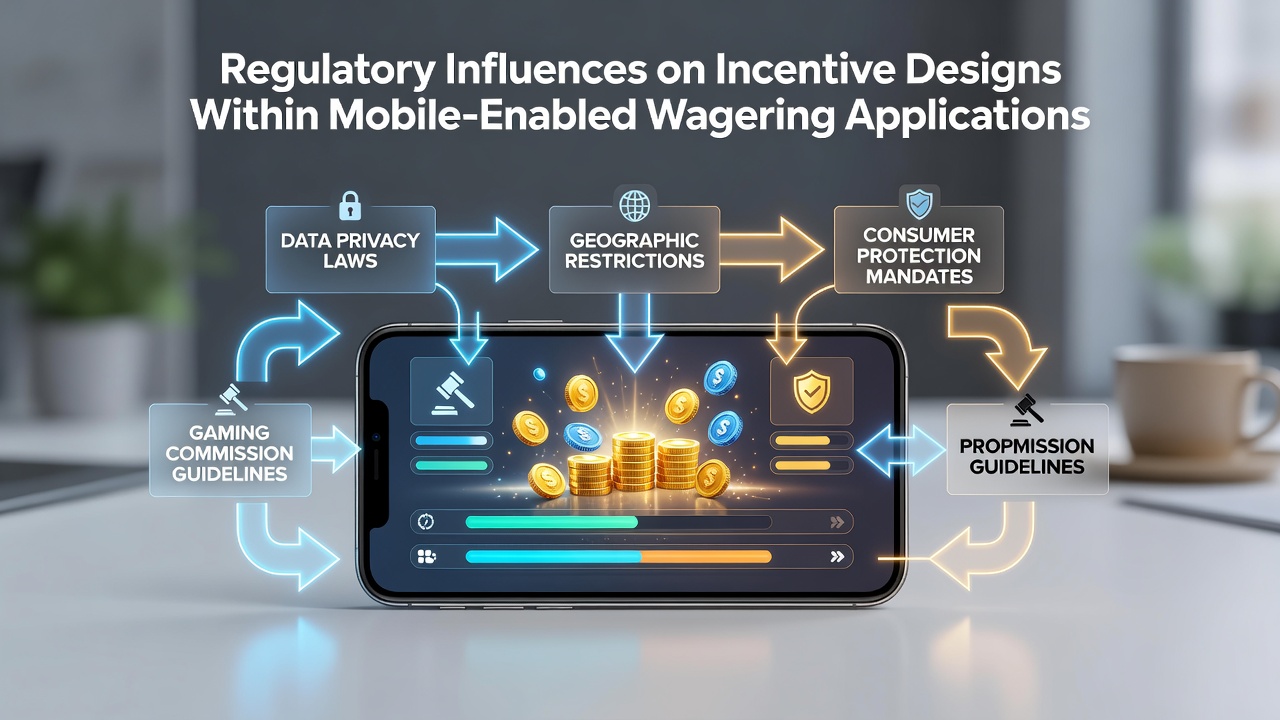
Regulatory bodies across multiple jurisdictions maintain strict guidelines that directly determine how operators structure incentives such as deposit matches, free bet credits, and loyalty tiers within mobile-enabled wagering applications and these rules evolve through ongoing consultations that shape product development cycles. Observers note that operators must embed compliance features into app architectures from the outset rather than retrofitting them after launch because violations can trigger license suspensions or financial penalties that disrupt revenue streams.
Core Regulatory Principles Affecting Incentive Design
Requirements around transparency force developers to display wagering requirements, expiration dates, and eligibility criteria in clear formats within mobile interfaces so users encounter these details before activating any promotional offer. Data from the Alcohol and Gaming Commission of Ontario shows that standardized disclosure formats have reduced player disputes related to bonus terms by measurable margins since implementation across licensed platforms. Research indicates similar patterns emerge when regulators mandate real-time tracking of bonus balances that prevents users from exceeding set deposit or loss limits while incentives remain active.
Age verification protocols integrate directly with incentive delivery systems because mobile apps must confirm user eligibility before any reward activates and this process often incorporates third-party identity services that add friction yet satisfy cross-border compliance needs. Those who've studied implementation timelines know that delays in verification can nullify time-sensitive promotions yet operators design fallback mechanisms such as pending bonus queues that activate automatically once approval completes.
Regional Variations in Mobile Incentive Oversight
European frameworks emphasize player protection measures that cap bonus values relative to average deposit amounts whereas North American state-level rules frequently focus on tax reporting tied to promotional credits and these differences compel app developers to maintain region-specific code branches. Figures reveal that operators serving multiple markets allocate significant engineering resources to modular incentive engines capable of switching parameters based on detected user location. What's interesting here is how these adaptations influence everything from push notification timing to in-app messaging that promotes available rewards without breaching local advertising standards.
Industry reports from the American Gaming Association highlight that mobile platforms in regulated US markets increasingly tie incentive eligibility to responsible gambling tool usage such as session reminders or self-exclusion flags and this linkage creates layered reward structures where compliant behavior unlocks higher tier benefits. And so developers build these connections into backend logic that syncs across devices to maintain consistency when users switch between phones and tablets.
Technical Adaptations Driven by Compliance Needs
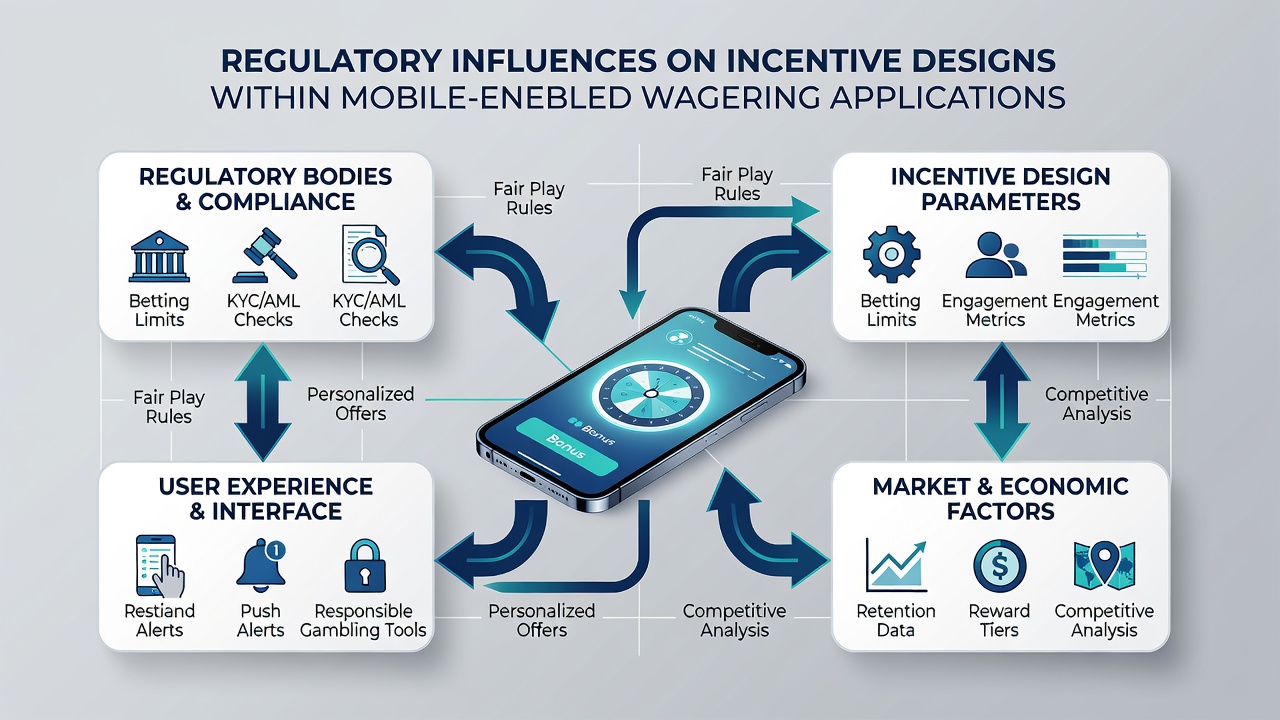
App architects respond to regulatory scrutiny by implementing audit trails that log every incentive transaction including user interactions wth terms and conditions because authorities require these records during routine inspections. Studies found that platforms incorporating automated compliance checks at the code level experience fewer post-launch modifications when new rules emerge and this proactive approach reduces downtime associated with manual audits. Turns out that cloud-based configuration systems allow operators to adjust bonus parameters globally within hours of regulatory announcements rather than weeks.
June 2026 marks several scheduled reviews across international bodies where updates to mobile incentive guidelines may address emerging issues such as cryptocurrency-based rewards and cross-platform loyalty integrations and operators are already preparing scenario models to test potential changes. Researchers discovered that early adoption of flexible API endpoints for incentive management provides competitive advantages when rules shift because updates deploy without full app store resubmissions that delay feature rollouts.
Future Trajectories for Incentive Regulation
Collaboration between regulators and industry groups continues to refine standards around gamification elements in mobile apps because badges and progress bars tied to betting activity now face scrutiny for potential encouragement of excessive play. Evidence suggests that balanced designs incorporating mandatory cooling-off periods between reward redemptions help operators meet both engagement goals and protection mandates simultaneously. Those monitoring these developments observe that successful applications treat regulatory constraints as design parameters from initial wireframing stages onward rather than obstacles encountered later.
Conclusion
Regulatory influences continue to steer the evolution of incentive designs in mobile-enabled wagering applications through layered requirements that span disclosure, verification, and responsible play integration. Operators that embed compliance into core architecture maintain operational stability across shifting rule sets while delivering user experiences that align with jurisdictional expectations. Data shows these approaches support sustainable platform growth without compromising on either innovation or oversight demands.