8 Jun 2026
Loyalty Incentives Powering Sustained Activity in Combined Betting and Gaming Offerings Across Authorized Markets
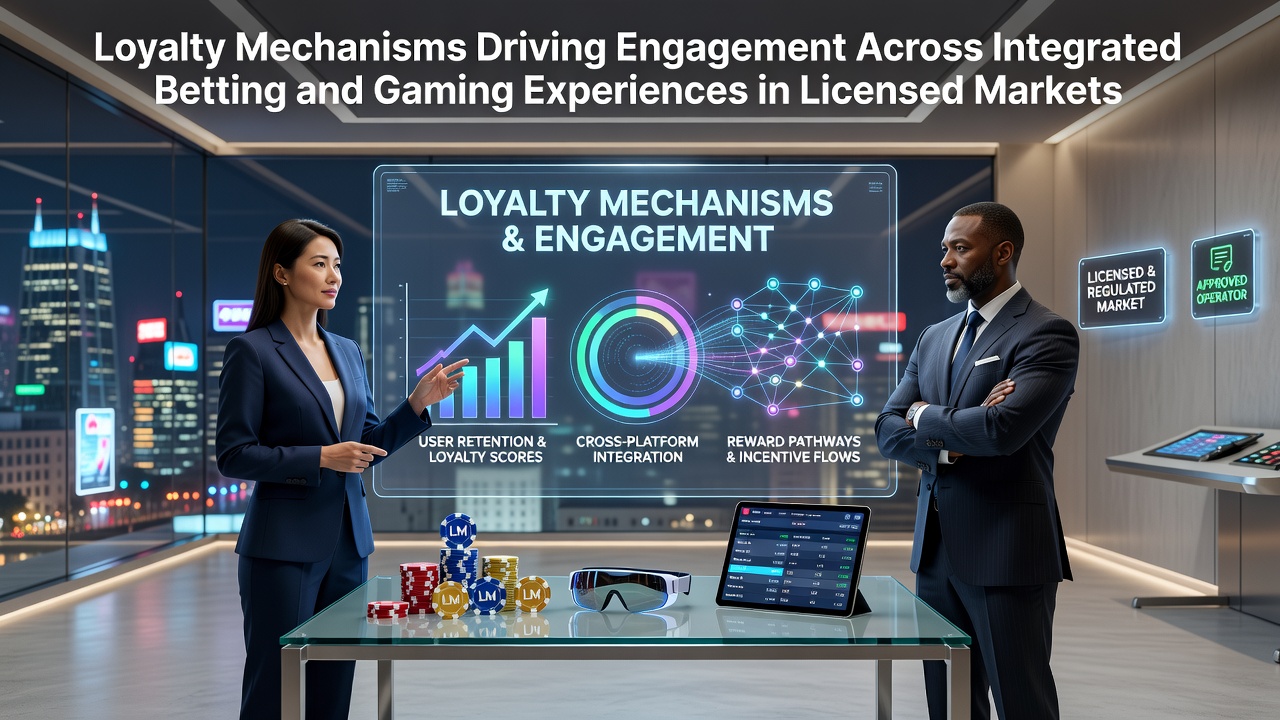
Integrated platforms that combine sports betting with casino gaming have developed layered loyalty structures to maintain user participation in licensed environments, and these mechanisms often link rewards across both verticals so that activity in one area unlocks benefits in the other. Operators in regulated markets track player behavior through unified accounts, awarding points that convert into free bets, bonus spins, or cashback regardless of whether the original wagers occurred on odds markets or slot titles.
Core Components of Cross-Vertical Reward Programs
Points accumulation forms the foundation of most systems, with multipliers applied during promotional windows or for high-volume periods, while tiered status levels grant escalating perks such as faster withdrawal processing, dedicated support access, and exclusive event invitations. Research from the American Gaming Association indicates that operators in several U.S. states have reported measurable increases in session frequency when points earned on live dealer tables carry over directly to accumulator bonuses on sportsbooks. Those structures reduce friction between product types and encourage users to explore additional features rather than remaining within a single category.
Personalized mission sets represent another layer, where algorithms generate daily or weekly challenges tailored to individual histories, such as placing a minimum number of bets on specific leagues followed by a set number of spins on selected titles. Completion triggers instant credits or loyalty boosts, and data from multiple licensed jurisdictions shows these targeted prompts sustain engagement longer than generic offers because they align with demonstrated preferences. In June 2026 several operators plan to roll out enhanced mission frameworks that incorporate real-time adjustments based on live event outcomes, allowing a successful sports wager to immediately populate a related casino challenge.
Technical Integration and Regulatory Alignment
Behind the scenes, centralized player management systems sync transaction histories across sports and gaming modules so that loyalty balances update without manual intervention. Licensed operators must maintain audit trails that satisfy oversight requirements from bodies such as state gaming commissions and provincial regulators, ensuring reward distribution remains transparent and traceable. This infrastructure also supports responsible gambling tools, where loyalty status can trigger customized limit reminders or cooling-off suggestions when activity patterns shift.
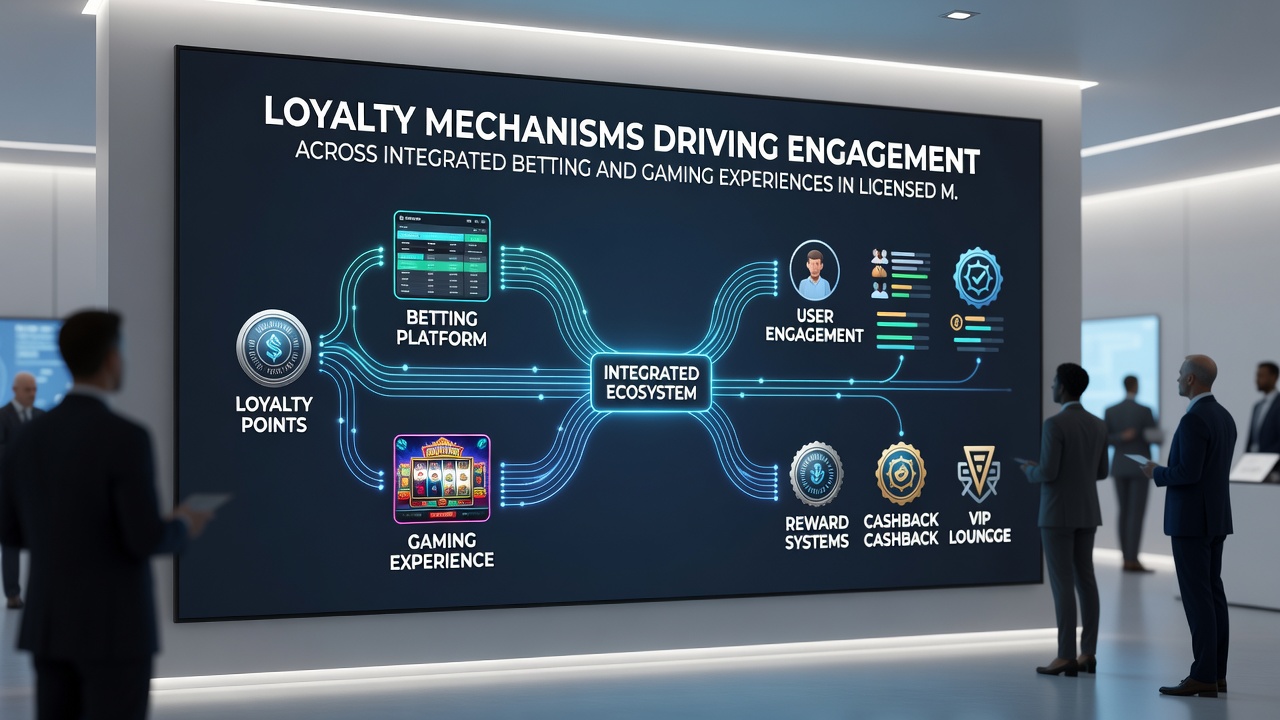
Observers note that seamless integration has become a competitive requirement rather than an optional feature, because users who experience fragmented rewards across separate apps tend to consolidate activity on platforms offering unified tracking. Industry reports compiled by the Victorian Responsible Gambling Foundation highlight how Australian-licensed sites using cross-product loyalty ledgers recorded higher retention rates over twelve-month periods compared with those maintaining separate casino and sports programs.
Behavioral Patterns and Market Outcomes
Longitudinal tracking reveals that participants enrolled in integrated loyalty schemes place more diverse bet types and explore a wider range of game categories than non-members. The effect appears strongest among mid-tier users who receive occasional status upgrades, which function as psychological milestones and prompt renewed activity to maintain or climb further. Operators adjust reward velocity during quieter trading periods to stabilize overall platform usage, while peak-event windows such as major tournaments feature accelerated earning rates that capitalize on heightened interest.
Case examples from North American and European markets demonstrate consistent patterns: one large operator introduced a hybrid leaderboard where sports profit and casino win-rate metrics combined into a single ranking, resulting in elevated daily active users across both segments for the subsequent quarter. Another program tied cashback percentages to the proportion of activity split between verticals, encouraging balanced participation rather than concentration in whichever product currently offered higher variance. These approaches rely on continuous data analysis to refine thresholds and prevent over-distribution that could affect operator margins.
Future Developments in Regulated Environments
Emerging technologies including blockchain-based loyalty tokens and AI-driven personalization engines are entering pilot stages within licensed frameworks, with several jurisdictions evaluating how these tools can coexist with existing consumer protection standards. By June 2026 additional reporting requirements around reward transparency are expected to take effect in select markets, prompting operators to publish clearer breakdowns of how points convert and what conditions govern tier maintenance. Such measures aim to preserve trust while allowing loyalty mechanisms to continue functioning as primary drivers of cross-product exploration.
Conclusion
Loyalty structures that span betting and gaming verticals have become central to engagement strategies in licensed markets, delivering measurable retention benefits when implemented through unified tracking and compliant reward distribution. Continued refinement of these systems, supported by regulatory oversight and technological advancement, will determine how effectively operators sustain participation across integrated experiences in the years ahead.