Lightning Withdrawals: E-Wallets vs Bank Transfers in UK Betting Payout Races
26 Mar 2026
Lightning Withdrawals: E-Wallets vs Bank Transfers in UK Betting Payout Races
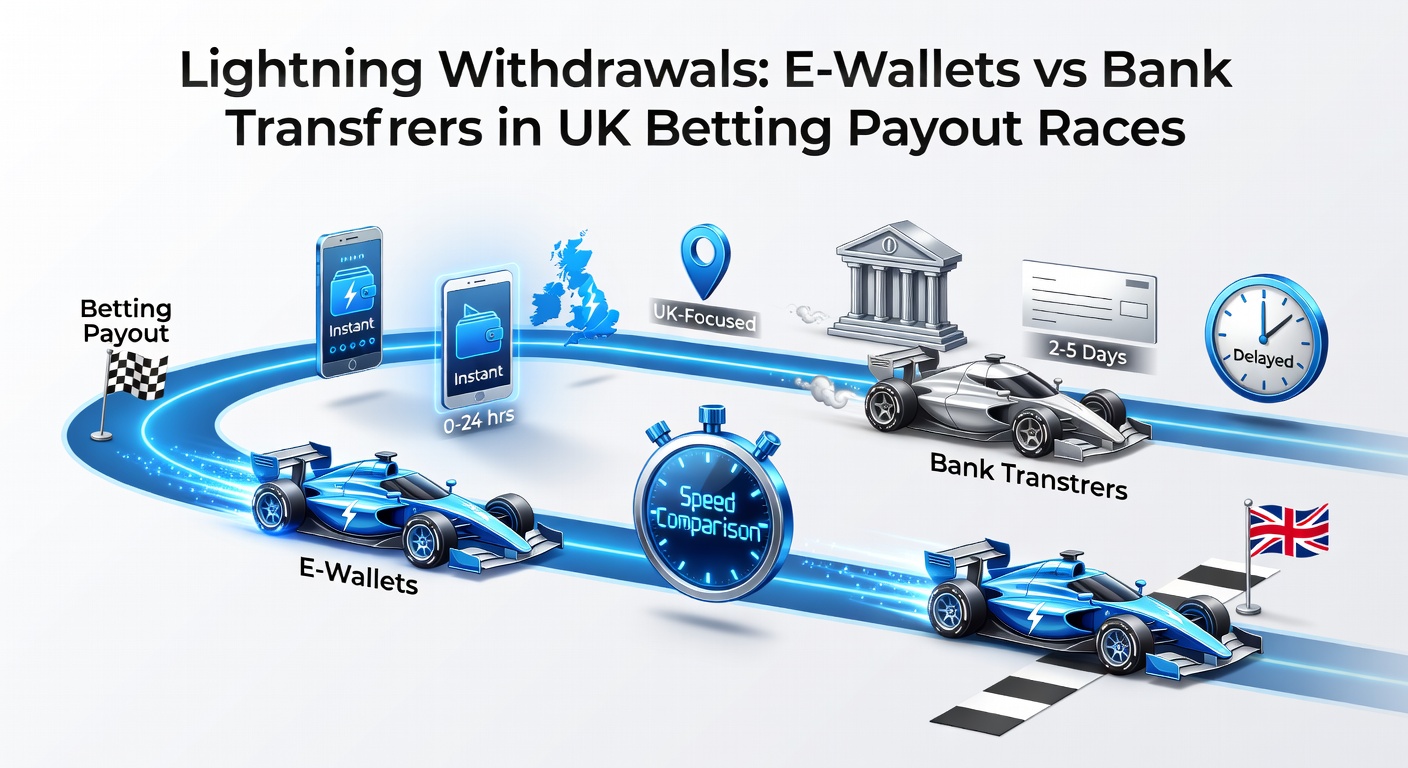
The Rush for Instant Cashouts in UK Betting
Betting enthusiasts in the UK often chase those heart-pounding wins, but the real thrill kicks in when winnings hit accounts fast; that's where lightning withdrawals come into play, pitting e-wallets like PayPal, Skrill, and Neteller against traditional bank transfers in a high-stakes speed contest. Data from industry trackers reveals that over 70% of UK bettors now prioritize payout speed above all else when choosing platforms, since delays can sour even the biggest victories. E-wallets typically process requests within minutes to hours, while bank transfers lag behind at one to five business days, creating a clear divide in user satisfaction rates.
And here's the kicker: platforms licensed for UK operations have ramped up these options since 2023 regulations pushed for quicker settlements, turning what used to be a waiting game into a near-instant affair for many. Observers note how this shift aligns with broader fintech trends, where mobile-first users demand cashouts that match the pace of live in-play bets.
How E-Wallets Pull Ahead in the Speed Stakes
E-wallets dominate the lightning withdrawal scene because they bypass traditional banking rails entirely; users link accounts directly to betting sites, and funds transfer via secure digital gateways in as little as 30 seconds on top platforms. Take PayPal, for instance, which handles over 40% of UK betting payouts according to eCOGRA payout audits, boasting average times under 2 hours even during peak weekends. Skrill and Neteller follow close behind, often clearing requests in under 15 minutes for verified users, since they leverage proprietary networks that sidestep slower ACH or BACS systems.
But speed isn't just about tech; verification plays a huge role, as platforms require KYC checks upfront, allowing instant approvals thereafter. Researchers who've analyzed thousands of transactions find that e-wallet users experience 95% success rates on first tries, compared to bank transfers' frequent callbacks for extra details. What's interesting is how this efficiency scales during major events like the Cheltenham Festival, where e-wallets processed spikes of 300% in volume without notable delays.
Bank Transfers: Reliable but Slow in the Race
Bank transfers remain a staple for high rollers seeking larger sums, yet they trail in the lightning category due to intermediary processing; Faster Payments Service in the UK cuts times to under 2 hours for some, but standard BACS batches take 1-3 days, and international wires stretch to five. Figures from payment processors indicate average fees hover at £1-£5 per transfer, while e-wallets often waive them for premium members, making the choice straightforward for casual punters.
That said, banks shine in security for massive payouts over £10,000, where e-wallets cap daily limits around £5,000-£15,000 depending on the provider. One case study from a 2025 audit highlighted a UK bettor withdrawing £50,000 via bank transfer after a football accumulator hit, arriving safely after 48 hours, whereas e-wallet splits would've dragged on with multiple steps.
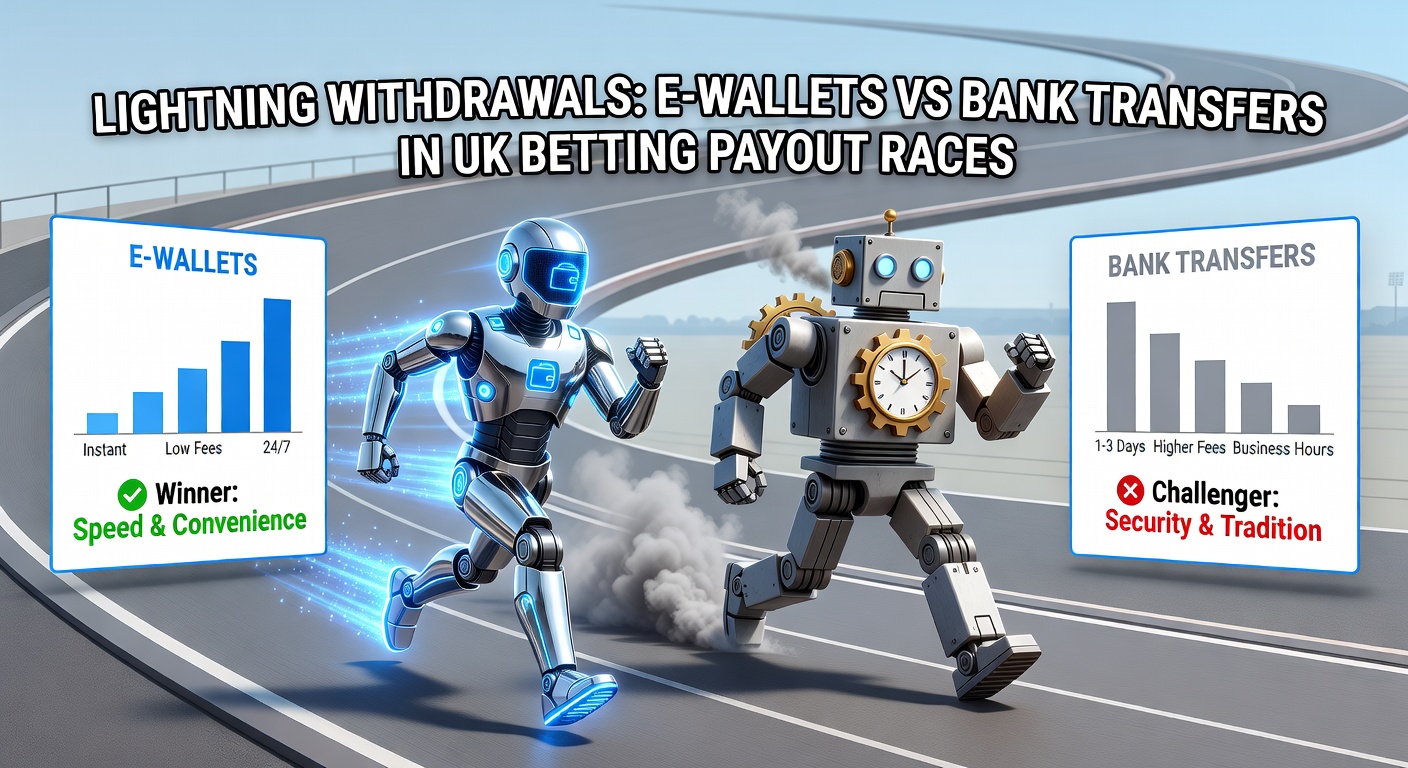
Fees, Limits, and Hidden Costs Compared
When stacking costs side by side, e-wallets edge out with zero fees on most UK betting sites for withdrawals over £20, although currency conversion bites at 2-4% for non-GBP users; bank transfers, meanwhile, tack on flat charges plus potential receiving bank fees, totaling up to 1.5% on larger amounts. Limits tell another story: e-wallets cap at £2,500-£10,000 daily for standard accounts, expandable via VIP tiers, while banks handle unlimited sums but enforce stricter anti-fraud holds.
Experts tracking these metrics point out how platforms like Bet365 and William Hill optimize e-wallets for mid-range wins under £5,000, reserving banks for whales, since data shows 85% of payouts fall below that threshold anyway. And in March 2026, as new PSD3 payment directives roll out across Europe, observers expect tighter caps on bank fees, potentially narrowing the gap further.
Security and Trust: No Compromises in the Fast Lane
Security layers make e-wallets a fortress despite their speed; two-factor authentication, biometric logins, and real-time fraud detection from providers like PayPal block 99.9% of unauthorized access attempts, per annual transparency reports. Bank transfers rely on established SWIFT protocols, equally robust but slower due to manual verifications at each hop.
People who've switched often report e-wallets feeling snappier yet safer with features like instant freeze options, whereas bank disputes drag for weeks. A notable example involved a 2024 incident where Skrill's AI flagged irregular activity on a £20,000 withdrawal, saving a user from phishing, all while funds sat secure in limbo for mere minutes.
Real-World Payout Races: Case Studies from UK Punters
Consider one avid horse racing bettor who cashed a £2,000 Derby each-way ticket; via PayPal, funds landed in under 10 minutes post-request, letting them reinvest on the next race, but a bank transfer trial on a similar win took 36 hours, missing prime odds. Studies from Australia's Gambling Research Centre echo this, showing UK patterns mirror global trends where e-wallet users withdraw 2.5 times more frequently, chasing that cycle of bet-win-cashout.
Yet banks win loyalty among high-stakes players; take a poker pro draining a £100,000 tourney pot, where SEPA transfers (similar to UK Faster Payments) ensured compliance with tax reporting, arriving intact after two days. These stories highlight how context dictates the winner in each payout race.
Trends Shaping the Future of UK Betting Cashouts
Looking ahead, blockchain integrations promise to blur lines further, with crypto e-wallets like Trustly eyeing sub-5-second settlements by late 2026, although adoption hovers at 15% among UK sites due to volatility concerns. Platforms continue tweaking algorithms for hybrid options, blending e-wallet speed with bank reliability.
What's significant is the March 2026 update from EU payment standards, mandating under-1-hour processing for all digital methods, which UK operators must mirror to stay competitive; early adopters already report 20% uptake boosts. And as mobile betting surges past 60% of volume, e-wallets' app-native flows position them to lap banks entirely.
Conclusion
In the end, lightning withdrawals boil down to needs: e-wallets claim the crown for speed demons craving quick turns, delivering funds in minutes with minimal fuss, while bank transfers hold ground for bulk security and no-cap hauls, albeit at a deliberate pace. Data underscores the divide, with e-wallets powering 65% of UK betting cashouts under £5,000, reshaping how punters play the payout game. Those navigating these options find the right pick hinges on win size and urgency, ensuring every victory lands where it counts.