3 Aug 2026
Ledger lines in motion: how daily spend trackers reshape session patterns on app-based betting platforms
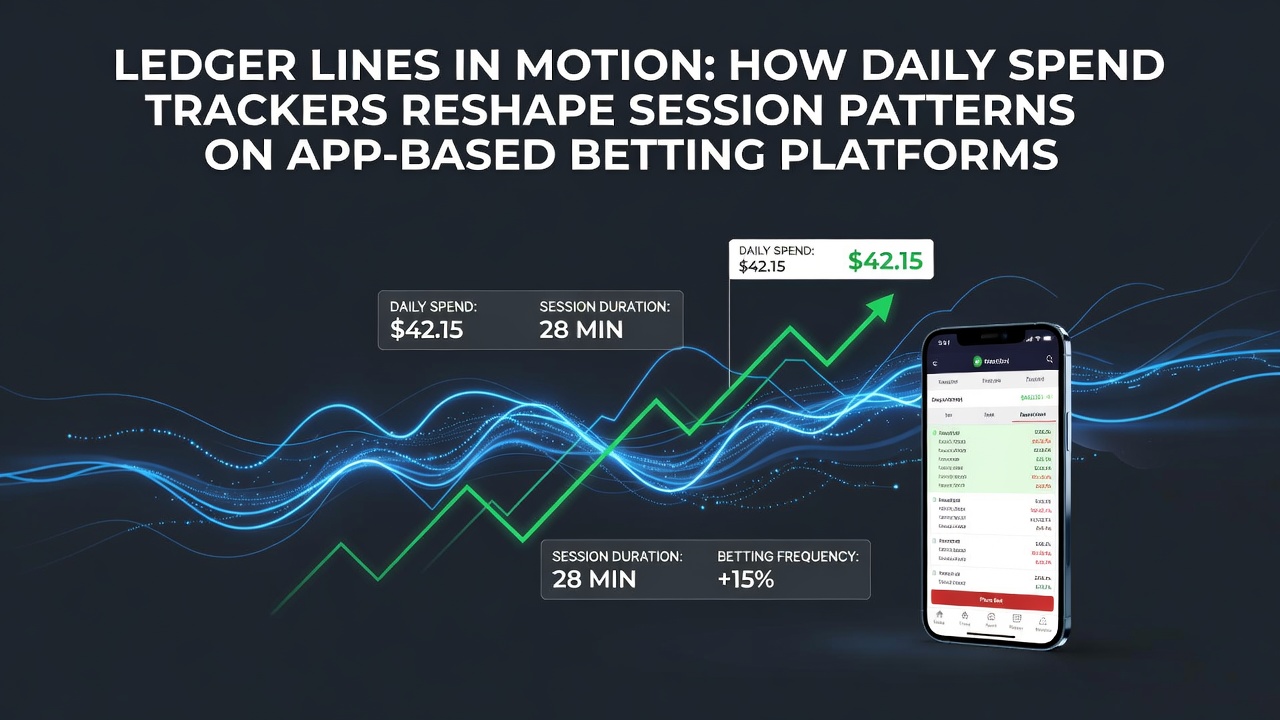
Daily spend trackers embedded in app-based betting platforms record every wager and deposit in real time, and these digital ledgers now influence how long users stay active and how much they allocate within each session. Platforms integrate these tools directly into the user interface so that visible running totals appear alongside balance displays, and operators report that the feature has become standard across major mobile applications since its widespread adoption in 2023. Data from platform analytics show that sessions incorporating active tracker use tend to include more frequent pauses, while total time spent per login decreases compared with earlier patterns recorded before tracker availability.
Mechanics behind daily spend tools
Users set voluntary daily caps through account settings, and the system automatically blocks further deposits or bets once the threshold is reached, yet the same interface continues to display historical spending graphs that users can review mid-session. Operators design these graphs with color-coded segments that highlight approaching limits, and integration with push notifications allows the app to send reminders when 75 percent or 90 percent of the daily allocation has been used. Research from the Canadian Centre on Substance Use and Addiction indicates that such visual cues correlate with altered decision timing, as bettors pause to reassess rather than proceeding immediately to the next wager.
Session length adjustments observed across markets
Platform telemetry collected in 2025 revealed that average session duration dropped by approximately 14 percent on applications where spend trackers were enabled by default, while the number of discrete betting events per session remained stable or slightly increased because users spread smaller individual stakes across more selections. Those patterns emerged consistently in both sports betting and casino-style verticals, and the shift appeared independent of overall deposit volume, which stayed flat or rose marginally in some cohorts. Observers note that the tracker effectively segments longer sessions into shorter blocks separated by review periods, creating a rhythm where users check the ledger line before deciding whether to continue.

Regional data and regulatory context
Figures released by the Australian Gambling Research Centre in August 2026 documented similar compression of session times among users of tracker-enabled apps, and the report linked these changes to measurable reductions in consecutive high-stake bets within single logins. The study compared matched user groups across jurisdictions with differing default settings for spend tools, finding that automatic activation produced stronger effects than opt-in models. In parallel, analysts at the Nevada Gaming Control Board recorded parallel trends in mobile sportsbooks, where session fragmentation aligned with tracker engagement metrics rather than with changes in event scheduling or promotional calendars.
Behavioral feedback loops and interface design
Because the tracker updates instantly after each transaction, users receive immediate feedback that can interrupt momentum, and many applications now embed quick-access links to session history directly on the betting slip screen. This placement encourages glance checks without requiring navigation away from the active wager, yet it also creates a decision point that some users exploit to exit the app entirely once the daily line appears close to its cap. Industry reports compiled by the European Gaming and Betting Association highlight that platforms experimenting with customizable alert thresholds observed further variation in session endings, with users who selected tighter alerts logging off earlier than those who chose wider margins.
Longer-term pattern evolution
Longitudinal tracking of individual accounts shows that repeated exposure to daily spend data often leads to more conservative starting allocations in subsequent sessions, and this adjustment compounds over weeks as users reference past ledger summaries when setting new caps. The resulting behavior produces steadier daily spend curves rather than the spikes previously associated with weekend or evening peaks, and aggregate platform data reflect smoother distribution of activity across the week. Researchers examining these records emphasize that the reshaping occurs through voluntary interaction with the tracker rather than through enforced restrictions, although the visibility of the data itself appears sufficient to prompt recalibration.
Conclusion
Daily spend trackers have become a structural element of app-based betting interfaces, and available platform data together with independent studies demonstrate measurable effects on session duration, bet distribution, and weekly activity patterns. Continued monitoring by research bodies in multiple regions will clarify whether these shifts persist as tracker features evolve and as user familiarity with ledger displays increases.