27 May 2026
Evening Hours Reveal Distinct Jackpot Activity Patterns on Licensed British Platforms
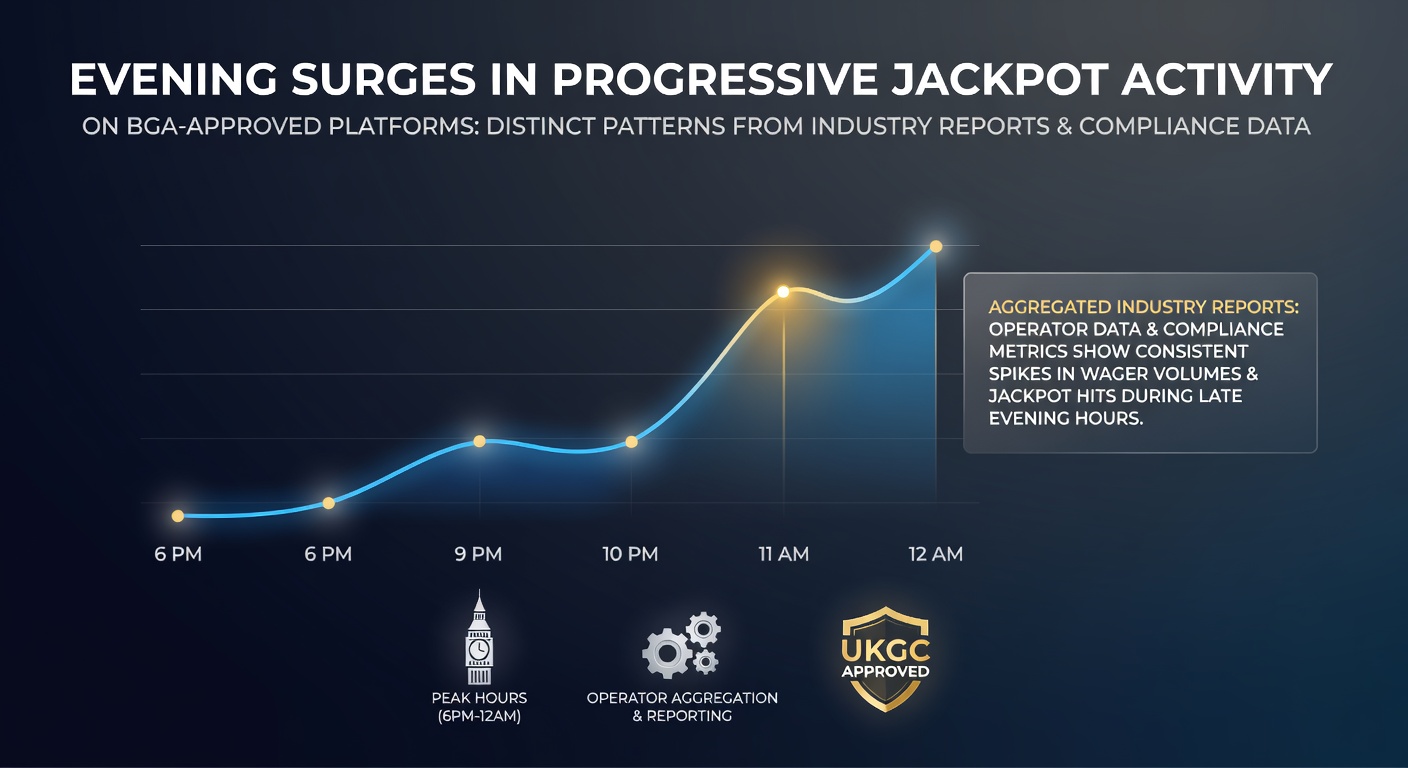
Evening periods on British gambling authority approved platforms display consistent upticks in progressive jackpot engagement according to aggregated data compiled from multiple operators and compliance filings, and these patterns have held steady through reports covering activity up to May 2026. Operators note that player participation in linked progressive slots climbs sharply after 6pm, with session lengths extending further into the night compared to daytime hours, while compliance records show corresponding increases in average stake sizes during those windows.
Data aggregation across several major platforms highlights how these surges align with predictable daily cycles rather than random fluctuations, and analysts tracking the figures point to external factors such as work schedules and leisure availability as contributing elements. Reports indicate that jackpot contributions from evening play account for a disproportionate share of overall pool growth each month, creating measurable differences in payout frequency metrics between morning, afternoon, and post-sunset periods.
Breaking Down the Aggregated Operator Data
Compliance filings submitted by licensed operators reveal that progressive jackpot pools experience accelerated funding rates between 7pm and 11pm on weekdays, and weekend patterns shift the peak window slightly later into the evening. These reports compile anonymized transaction data across thousands of player accounts, showing that the number of active progressive slots per user rises notably once daylight hours end, while average bet multipliers also trend higher during those stretches.
One dataset released in early 2026 compared monthly pool increments across time bands and found that evening contributions exceeded daytime totals by measurable margins on a consistent basis, and similar patterns repeated across independent operator submissions. Researchers examining these aggregates note that the timing correlates with broader consumer behavior trends observed in other regulated markets, including activity monitored by bodies such as the Alcohol and Gaming Commission of Ontario.
What's interesting is how these evening surges appear tied to specific game categories rather than applying uniformly across all progressive titles, and compliance teams have documented stronger clustering around certain linked networks during prime hours. Platform logs further indicate that players tend to switch between multiple progressive games more frequently after dark, increasing overall pool contributions without necessarily extending individual session durations.
Compliance Records and Cross-Platform Comparisons
Industry compliance data draws from standardized reporting requirements that capture timestamped activity across all British gambling authority approved sites, enabling direct comparisons between operators of varying scale. Figures compiled through May 2026 show that smaller platforms sometimes exhibit sharper evening spikes relative to their baseline volumes, whereas larger networks display more gradual but sustained increases throughout the night.

Take aggregated reports reviewed by the European Gaming and Betting Association which examined parallel datasets from multiple jurisdictions, and observers found that British evening patterns share similarities with activity spikes recorded in other regions during equivalent leisure windows. The analysis underscores how regulatory frameworks requiring detailed timestamp logging help surface these temporal trends that might otherwise remain obscured in raw transaction volumes.
Platform operators have implemented internal monitoring protocols that flag unusual evening activity clusters for compliance review, and these systems have proven effective at distinguishing routine surge patterns from anomalies requiring further investigation. Aggregated industry reports confirm that such monitoring captures both jackpot contributions and related bonus trigger rates, providing a fuller picture of how evening play influences overall progressive mechanics.
Player Behavior Trends Across Time Zones
Studies of player navigation data indicate that evening users often begin sessions with lower-stake progressive games before migrating toward higher-contribution titles as the night progresses, and compliance records capture these transitions through sequential transaction timestamps. Reports covering activity into 2026 highlight that repeat evening participants tend to maintain consistent start times across multiple days of the week, creating reliable patterns within the aggregated datasets.
Academic researchers at institutions such as the University of Nevada, Las Vegas have examined similar time-based engagement metrics in other regulated environments, and their findings align with the observation that leisure availability strongly influences when players engage with progressive jackpot mechanics. British operator reports echo these observations by documenting parallel shifts in session initiation times during the transition from afternoon to evening hours.
Compliance filings also track how progressive jackpot wins distribute across different time bands, revealing that evening periods sometimes produce clusters of smaller payouts alongside the occasional larger trigger. These distributions feed back into pool funding rates, maintaining the cycle of activity that operators observe repeating month after month.
Conclusion
Aggregated operator reports and compliance data continue to map evening surges in progressive jackpot activity on British gambling authority approved platforms as distinct, recurring patterns rather than isolated events. The consistency across multiple data sources through May 2026 provides a clear foundation for understanding how daily cycles shape participation and pool growth on licensed sites. Observers tracking these metrics note that ongoing reporting requirements will likely refine these insights further as additional datasets become available in subsequent periods.