3 Jun 2026
Digital Recreations of Athletic Contests Alter Routine Interaction Habits at Licensed Platforms

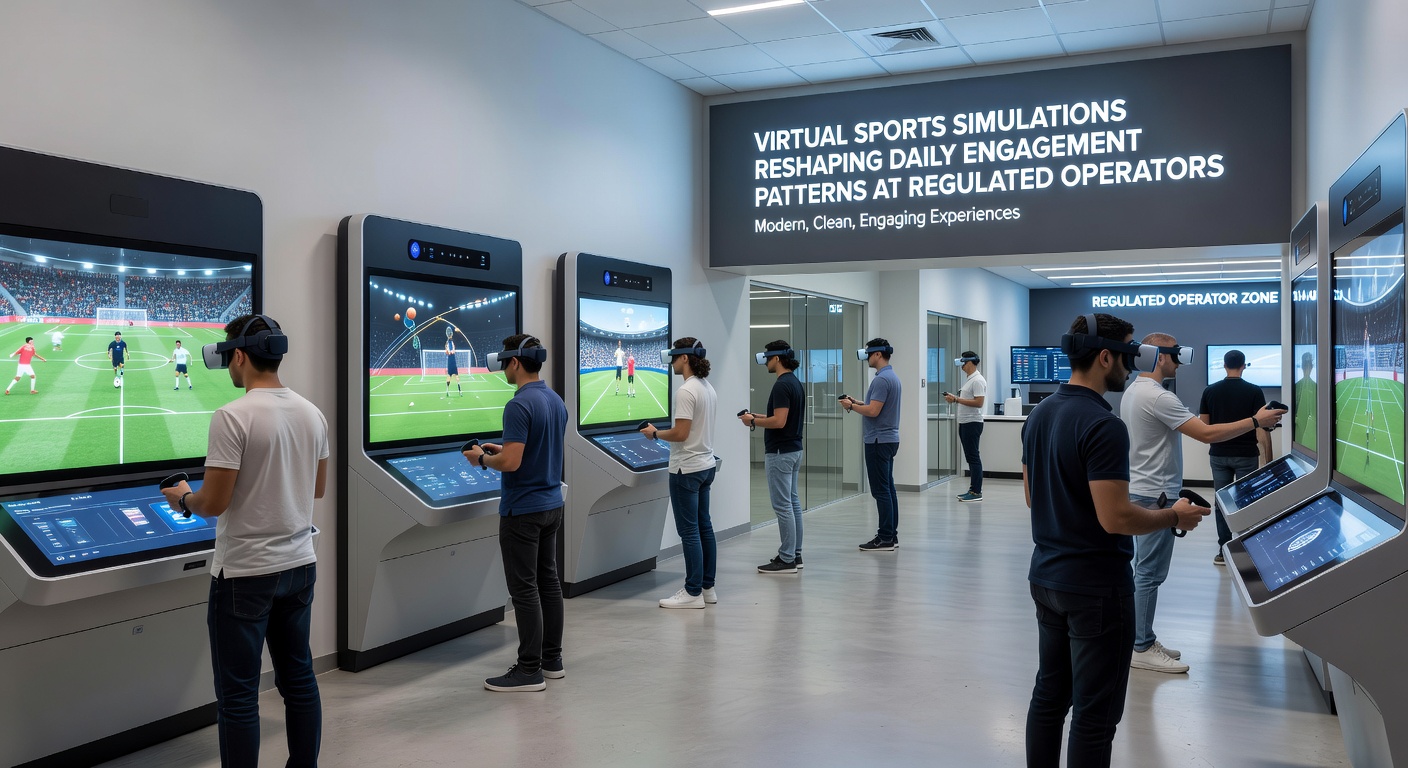
Virtual sports simulations combine computer-generated events with betting interfaces that run continuously across licensed operators, and these systems create steady streams of matches, races and contests that fill gaps between live fixtures. Operators integrate these products into existing platforms so users encounter them during morning commutes, lunch breaks and late evenings without waiting for real-world schedules.
Core Mechanics Behind Continuous Availability
Software engines generate outcomes using random number generators certified by testing laboratories, which means each simulated football match or horse race resolves in under three minutes while still displaying detailed graphics and statistics. Because cycles repeat every few minutes, participants can place wagers at any hour, and the format supports single bets alongside accumulator structures that mirror traditional sports offerings. Data from June 2026 shows several European operators recorded peak virtual sports volumes between 8 a.m. and 10 a.m. local time, a window previously dominated by pre-work checks of overnight results.
Patterns Emerging in User Routines
Observers note that daily log-in frequency rises when virtual products sit alongside live dealer tables and slot libraries, because the quick resolution times encourage shorter, repeated sessions rather than extended waits for major events. One study released by the Australian Gambling Research Centre tracked account activity across multiple jurisdictions and found that users who engaged with virtual simulations logged in 1.8 times more often on weekdays compared with accounts limited to live sports. Those same accounts also showed higher proportions of smaller stake sizes spread across more individual bets, which aligns with the rapid turnaround of simulated events.
Integration With Existing Product Mixes
Regulated operators embed virtual sports within the same wallet and bonus frameworks used for other verticals, so deposit matches and loyalty points accumulate across categories without separate tracking. This approach reduces friction for users who move between simulated athletics and live dealer sessions in a single visit. Industry reports indicate that cross-product play increases when virtual events appear in the main navigation menu rather than tucked inside a dedicated tab, because visibility encourages spontaneous selections during idle moments.
Regional Regulatory Approaches and Data Sharing
Authorities in multiple jurisdictions require operators to publish virtual sports return-to-player percentages alongside those of other games, which allows comparison and supports informed choice. The Alcohol and Gaming Commission of Ontario publishes quarterly summaries that separate virtual sports handle from traditional sports betting, revealing steady growth in the category through the first half of 2026. Similar disclosures appear in reports from the Nevada Gaming Control Board, where virtual products fall under the same audit standards applied to slot machines and table games.
Technological Updates and User Interface Adjustments
Developers continue to refine animation quality and statistical overlays so simulated events feel closer to broadcast footage, and these upgrades coincide with mobile optimisation that keeps load times under two seconds on typical connections. Touch-friendly bet slips and quick-cash-out options appear consistently across platforms, matching expectations set by other instant-play products. When operators introduced enhanced graphics packages in spring 2026, session duration metrics showed modest increases without corresponding rises in average stake per bet.
Conclusion
Virtual sports simulations maintain continuous availability that fits around existing daily schedules at licensed operators, and the format supports varied stake patterns while remaining subject to the same certification and reporting requirements applied to other gaming verticals. Figures from multiple regulatory sources indicate sustained adoption throughout 2026, with integration into broader platform ecosystems shaping how participants structure their interactions across the day.